Aretha: A Modern Serif Font for Creative Makers
There’s something about the first time you see a font come to life on a label that feels like magic. I was working on a batch of candle labels when I stumbled upon Aretha, and it instantly transformed my design process. This modern ligature serif font has a way of making even the simplest text feel elegant and intentional.
The Visual Personality of Aretha
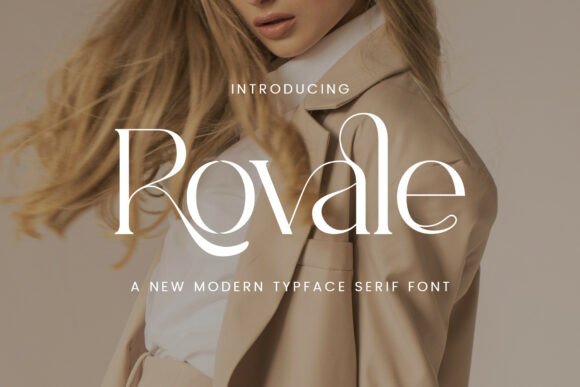
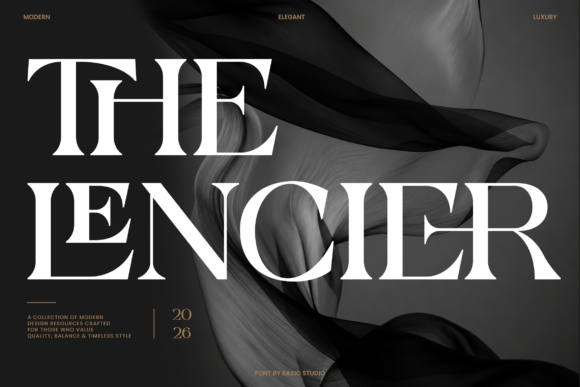
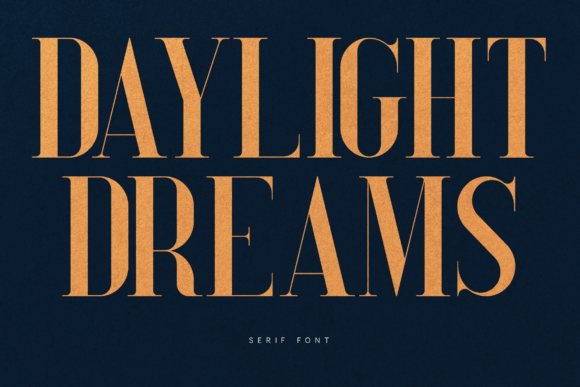
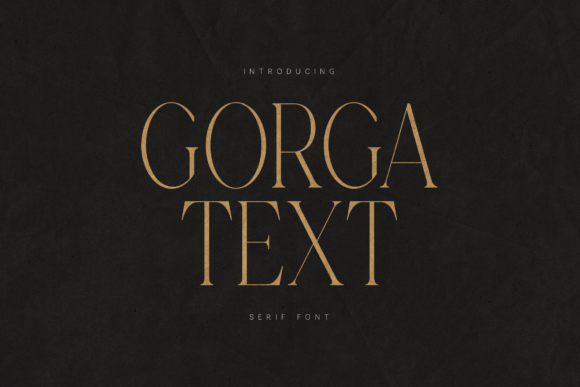
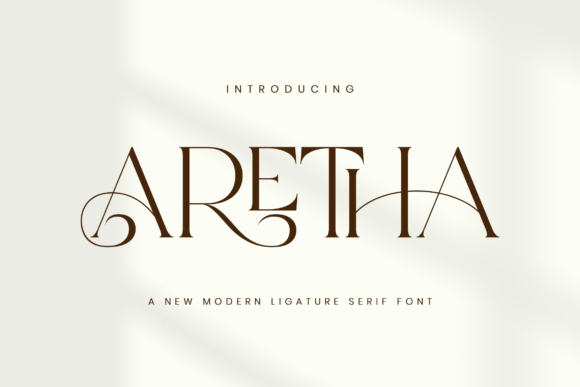
Aretha is more than just a typeface—it’s a statement. Its razor-sharp serifs contrast beautifully with the fluid, sweeping ligatures that give it a lyrical quality. It’s got that high-fashion flair that makes it perfect for anything from wedding invitations to boutique packaging. The balance between structure and movement is what makes Aretha stand out in a sea of serif fonts.
When I used it on a farmhouse sign for a seasonal shop, the result was instantly recognizable. The font brought a sense of refinement without being too formal. It felt right at home on handmade products, adding a touch of sophistication that elevates the entire look.
Real-World Applications of Aretha
One of the first projects I tried with Aretha was designing a set of greeting cards. The font’s elegance worked perfectly with the minimalist layout, giving the cards a polished, professional finish. I paired it with a clean sans serif for the body text, creating a nice visual contrast that made the design feel balanced and cohesive.
For a printable wall art project, Aretha added a layer of creativity that made the piece feel more personal. I used it for the title and some decorative elements, and the result was a design that felt both artistic and functional. It’s great for anything that needs a little extra flair, whether it’s a planner page or a digital download.
I also tested Aretha on a set of product tags for a small shop. The font’s readability made it easy to use on small stickers, and the swashes added a subtle detail that caught the eye. It’s a font that works well in both digital and physical formats, making it versatile for a wide range of handmade products.
Designing with Aretha
Aretha shines when used for short phrases, names, or titles. Its ligatures and swashes make it ideal for decorative wording, but it also holds up well in longer text when used thoughtfully. I found that it works best as a display font rather than a body font, especially for printed materials where clarity is key.
When designing for cutting machines like Cricut or Silhouette, I made sure to test Aretha on small stickers and labels. The font’s sharp details didn’t get lost in the cut, and the ligatures added a nice touch without being overwhelming. It’s important to check the font’s performance in different sizes and formats before finalizing a design.
For digital printables, Aretha brings a level of polish that makes the files feel more premium. I used it for a set of holiday tags, and the font’s style gave the design a cohesive, branded look. It’s a great choice for anyone looking to add a touch of class to their digital assets.
Pairing Aretha with Other Fonts
While Aretha is a standout on its own, it pairs well with other fonts that complement its style. For a more modern look, I often pair it with a simple sans serif. This creates a clean, professional aesthetic that works well for shop branding or product listings.
When designing wedding stationery, I combined Aretha with a script font for the guest names. The contrast between the two fonts added a personal, elegant touch that felt just right. It’s all about finding the right balance between formality and creativity.
For a more casual vibe, I’ve used Aretha alongside a handwritten font. The combination gives a friendly, approachable feel that’s perfect for printable planners or seasonal signs. It’s amazing how a single font can adapt to different styles and purposes.
Considerations for Commercial Use
If you’re planning to use Aretha for commercial products, it’s worth checking the font’s licensing details. Make sure you have the right to use it for physical merchandise, digital downloads, or printables. Some fonts come with restrictions that could affect your business, so it’s always good to double-check.
Also, consider the font’s file formats and language support. Aretha likely includes multiple weights and styles, which can be useful for different design needs. If you’re creating multilingual content, make sure the font supports the languages you’ll be using.
For handmade sellers, Aretha offers a way to create a consistent brand identity across all materials. Whether it’s packaging, labels, or social media graphics, the font helps reinforce your shop’s visual style and makes your products more memorable.